Updated · Everywhere Chair, Burnsville, NC
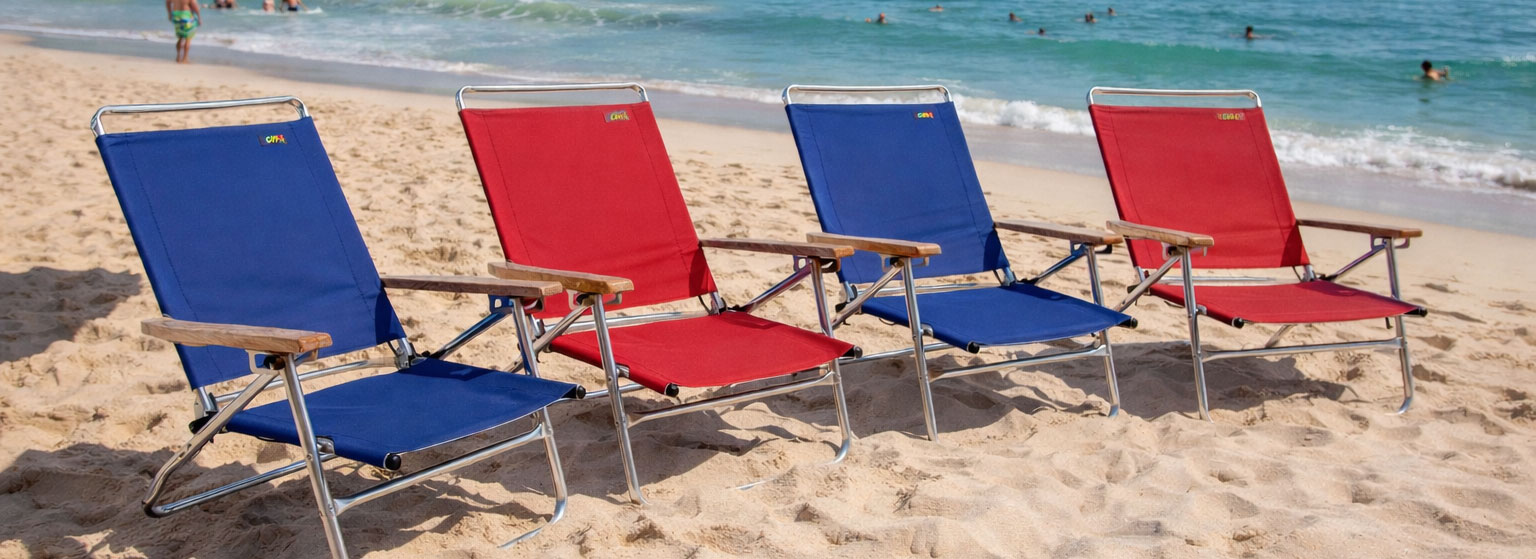
Have you just purchased or received a new beach chair? Maybe it is personalized and you would like to spend many days relaxing in it on the beach. Below are some tips for how to take care of your chair after you have left the beach so that it can last for many years.
After Beach Care:
These are some things that can be done after each day at the beach.
- Spray the frame down with fresh water. This will remove the salt and sand from the metal to keep rust and corrosion from starting to form.
- Wipe all sand and debri from the fabric. Use a damp cloth to do this so that it will remove any oils that may have got onto the chair from sprays and tanners. For a tougher stain use a mix of warm water and mild soap along with a soft bristle brush.
- If the chair is wet, leave it out to dry before folding it and putting it away.
Protective Layering:
Some examples of things that can be added as a barrier between the chair and the outdoor elements.
- For frame protection consider applying a thin coat of automotive wax or a spray (like WD-40) to the aluminum frame once or twice a year. This will create a layer that is not only water-resistant, but also will repel dirt and moisture.
- Lubricate the hinges. Any area that moves or pivots when the chair is folded or unfolded can benefit from having a rust-stopping lubricating oil applied to it. This will keep the joints moving freely and allow for easy opening and closing.
- For chairs with wooden arms, applying wood oil can benefit greatly. When doing so, make sure the arm is completely free of any dirt and particles. Only apply a small amount and allow it to completely dry while sitting in a shaded area before using or storing the chair.
- Protecting the fabric is also a great idea. Applying a UV-protectant spray to the fabric will help keep the harsh sun rays from fading the colors and weakening the fabrics fibers over time.
Storage Ideas:
Although it is easy to cram the chair in any available spot, these storage tips are important in the life of the beach chair.
- Keeping the chairs in a dry environment is crucial. If possible, store the chairs in a cool, dry, and dark location. Avoid anywhere there may be moisture, such as a basement, as this can cause the chairs to mildew.
- Keep the chairs off the floor. Floors can condensate and this can cause the frames to get damp or even the fabric if the chairs are stored laid flat. Avoid this by keeping the chairs stored on wall-mounted hooks.
- If you are not confident in your storage location, do a quick check on the chairs after a period of time to verify that no moisture is getting onto the frames or the fabric.
Standard Maintenance:
These quick checks can keep many problematic issues from occuring while relaxing on the beach.
- If they are being used regularly and not in extended storage, inspect the chairs monthly. Check all screws, bolts, and rivots as well as the frame for any chips.
- For any scratches or chips, address the area by giving it a light sanding and applying some touch up paint to the location.
- Check all rubber/plastic caps and insure they are on the chair. These keep water and sand from getting into the frames metal tubing that can cause it to rust and fail from the inside.
Following these tips can give your beach chair many years of use.
Whether you just treated yourself to a new personalized beach chair or received one as a gift, you likely want it to stay in "vacation mode" for years to come. Salt, sand, and sun are tough on outdoor gear, but a little post-beach TLC goes a long way.
Here’s how to maintain your chair so it stays sturdy and vibrant for many summers.
Daily After-Beach Care
- Rinse the Frame: Spray the frame with fresh water after every use. This washes away salt and sand that trigger rust and corrosion.
- Wipe the Fabric: Use a damp cloth to remove sand, debris, and residues from sunscreens or tanning oils.
- Spot Clean: For stubborn stains, use a soft-bristled brush with a mix of warm water and mild soap.
- Dry Completely: Never fold or store a wet chair. Leave it out to air dry fully to prevent mold and mildew.
Protective Layers
- Wax the Frame: Once or twice a year, apply a thin coat of automotive wax or a protectant (like WD-40) to the aluminum. This creates a water-resistant barrier that repels dirt.
- Lube the Hinges: Keep joints moving smoothly by applying a rust-stopping lubricant to all pivot points.
- Treat Wooden Arms: If your chair has wood accents, clean them thoroughly and apply a light coat of wood oil. Let them dry in the shade before use.
- UV Protection: Use a UV-protectant spray on the fabric to prevent the sun from fading the colors or weakening the fibers.
Smart Storage
- Stay Dry: Store chairs in a cool, dark, and dry spot. Avoid damp basements where mildew thrives.
- Hang it Up: Keep chairs off the floor to avoid moisture from condensation. Wall-mounted hooks are the best way to keep them pristine.
- Occasional Checks: If stored for a long time, check on your chairs periodically to ensure no moisture has crept in.
Routine Maintenance
- Monthly Inspections: If you're hitting the beach regularly, do a quick monthly check of all screws, bolts, and rivets.
- Touch Up Chips: Sand down any scratches in the frame and apply a little touch-up paint to prevent rust from spreading.
- Check the Caps: Ensure all plastic or rubber end caps are secure. These prevent water from getting inside the metal tubing and rotting the frame from the inside out.
By following these simple steps, your favorite seat in the sand will be ready for many more sunsets.